Saturday, 13 December 2014

World War Z Opening Title Sequence Analysis

So in today's post I will be analysing the opening sequence of World War Z. This will be my third analysis. Unlike the previous two, this film shows us as the event intensifies from a small spark into something Earth shattering.

So the movie begins with the Paramount logo. This is company which distributed the film. Usually, these logos are the first ones the audience sees.


 The next logos are of the company Plan B Entertainment, Skydance Productions, Hemisphere Media Capital and GK Films. These are the companies which produced the films. Depending on the film, some show only the distributor logo whereas other shows all the companies logos. Whilst these logos are playing, there is a low drum of a bass which sounds almost like thunder. Then a series of string instruments begins to play softly. The music then starts to thump in a series of random movements, successfully creating an abysmal mood.


At this point, the names of the companies appear again in white writing against a dark background, allowing the text to stand out and lets the audience know who helped with the process of the film. Immediately as the text appears, a piano riff begins to play over the tense background music alongside a rock guitar playing a similar tune. This adds to the dark mood that is bestowed upon us as it sounds very heavy and dispirited.

 As apposed to The Day the Earth Stood Still, the name of the director is the first name to appear. Alongside his name is a clip of a flock of birds flying, framed in an odd shape. The sound of the birds screeching can be heard but it is very quiet as the background music is still dominant. The use of the birds can be used to signify life on Earth. Because it is an apocalyptic film, these types of images are used often as a reminder to the audience of what life once was. However, the beginning of the film is set just before the event happens so it also acts as a reminder of what we have to loose.

 The next screen grabs are two of the main characters in the film. Pitt's name is first as he is the most recognisable and Enos' name is there as she is also a significant character. Both these actors play the role of the parents in this film, hence the suburban background. This could be an action code as it gives the audience information of these particular characters. The background acts as a reminder of who they were and who they still are. The music continues to play in the background.


 More names of actors and actresses appear on screen. The shot remains wide as it allows the audience to read the names and still watch the action of everyday life in the background. These next few clips are of transport stations such as trains, undergrounds and subways. This is just another reminder of everyday life. The monotonous background music still plays. However, there is now a compilation of news reporters and talk show voices which can be heard clearly. Nothing significant is singled out in their voices as all of them are talking at the same time - this is yet gesture of everyday life.


 Again there are more names of the stars in the film set against more images of normal mundane life. However, what's interesting is that as the images change, so does the non-diagetic dialogue of the news reports. In particular, a reporter discusses the properties of a virus and how it can adapt itself to transmit from human to human. This dialogue is by itself rather than in a compilation with other reports which allows us to hear it properly and realise its significance in the story line. At this point we know that this virus could perhaps be the reason why the world has become apocalyptic  - it's a clue.


Now the key crew member's names are appearing on screen alongside the images. However, it is becoming more intensified as instead of talking about everyday life we now see images of natural disasters such as dolphins stranded on the beach. The use of mixing everyday life with these disturbing scenes could signify that the threat of distinction is looming over us. As the title continues there are more scenes of people wearing flu masks and reporters talking about an illness. Instead of just hearing the reporters, we now see them as they say their lines too. This allows us to give them our full attention as these reports are very significant. The shots remain wide and as the reports appear, there is no text on the screen alongside it - we have no choice but to listen to it, the threat is becoming more present. There are images of animals hunting then it cuts to images of humans in masks before cutting back to animal carnage. This represents to us the idea that the threat of the illness is hunting us down on by one, much like these animals. The images become faster and faster as the background music intensifies and quickens, simulating the hunt.
Suddenly, all the images we've previous seen as shown again in a very fast loop as the camera zooms out from the odd shaped frames as it reveals to the audience that the movie title was in fact framing the images. The tension from the background music increases and the TV reports are no longer playing - it's game over. The use of the stark contrast between the title and background further brings attention to the images and the title, allowing us to focus fully on it. The war between the illness and mankind has begun.

There aren't any obvious representations shown in this sequence unlike in the previous two which fully focussed on males. This sequence focuses on mankind in general, showing our everyday banal life on the threat of extinction. Because of this, I believe the target audience would be those of a mature age - similarly to IAL and TDTESS - as some images and situations may upset those of a younger age. Also, horror-science fiction hybrids tend to be made for those over the age of 15. It is a general convention of these types of films.


Now this wasn't particularly an interesting title sequence as all of the image were similar which made it harder to analyse than the first two. This is something I'm going to avoid as it doesn't narrate the story very well or introduce anything very significant other than the virus itself. There isn't a wide range of shots or movement which is, again, something I will avoid. 
 However, I do like the use of the text alongside images of people, animals and news reports. It helps to get a feeling of what life used to be like before the apocalypse and this is a feature I would be happy to use in my own title sequence.

 So that is all for today's post.
Until next time,
                          Toni

Friday, 12 December 2014

The Day the Earth Stood Still Opening Title Sequence Analysis

The next film I will be analyzing is The Day the Earth Stood Still. This is another apocalyptic film but the title sequence is set in the times before the event which would cause an apocalypse, unlike I am Legend which set 3 years after the event.


The logo of 20th Century Fox is show before the film starts. This is the name of the distributor.


The title sequence then begins straight away. The camera pans down through space - the stars are iconographic of science fictions films as there is always a space element used. The name of the distributor fades in straight away, as a reminder to the audience. The stark contrast between the colours allows the title to appear even bolder, allowing us to read it clearly.


The next two screen shots are similar to the first one. These are the names of the production companies in association with Fox to produce the film. Whilst these names appear on the screen, the camera continues to pan down. As the camera pans, the music slowly crescendoes as a way of creating tension.

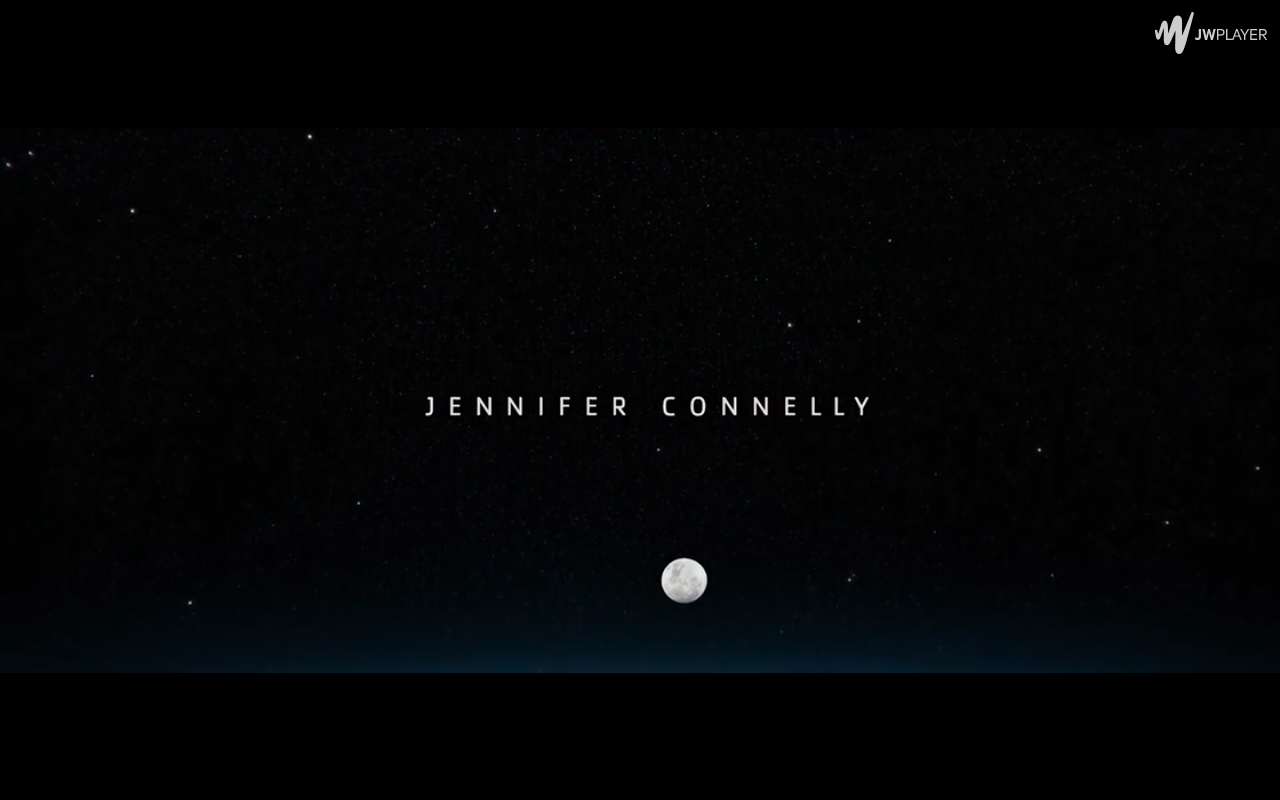


The next piece of text to appear on screen is the names of the two main actors/actresses in the film. These names appear first as they are the big stars of the film. Again, the camera continues to pan down in a slow manner whilst the moon slowly appears from the bottom of the screen. This, along with the stars, is iconographic of science fiction as it is another space element. It is clear by now it is a science fiction film. As the names appear high notes of a string instrument are played - simulating a screeching sound - another way to effectively build tension. This type of music is most commonly heard in horror and science fiction films. It immediately makes the audience wonder what will happen next as the music builds as a way to introduce something - or someone.

Then the title of the film is shown. The camera has fully panned down onto a location. We see the  moon in the background. This instantly create an enigma for the audience. Where are we? What is it's significance? The clever use of the moon and an eclipse is used to create the 'oo' which adds even more of a science element. The colours used are all primarily dark which successfully creates a dark mysterious atmosphere. As the title is shown, the background music continues to drone as the notes crescendo. This creates even more of a sombre mood as the tension rises, signifying that the events that are about to happen could be fatal.

The next scene opens up with mountains in India. It is then clear that the location we saw in the previous scene is Earth and the view we saw was from on top of the mountains. It sets the scene very well and even shows signs of an action enigma. It teaches the audience the location of where the movie is set and when it was set as it gives us a date. The sound of wind howling can be heard and is the dominant sound within this scene - this is used to further the fact that it is set on a mountain in the middle of a blizzard. The music from the previous scene has faded out, allowing the audience to give their full attention to the sound of the blizzard. Again, the colours remain dark and dull, to convey the sombre mood of the title sequence. The only light that can be seen is in the background, blurred from snowstorm. This perhaps signifies that even in the darkest of places, there will be light, perhaps foreshadowing the ending of the film. However, it could also foreshadow that the boundaries of good and bad people are blurred when a disastrous event takes place.


The next couple of clips are of a man alone in a tent on the side. He is performing simple tasks, like collecting ice and cleaning his equipment. The next names to appear are known as the 'co-stars' who still have a role in the film but it's not as significant and the top actors. These names are often placed after the title because they aren't as well known as the main stars or because they're roles within the film aren't as significant. The shots change from a medium long to a close up. This can be used to introduce the character as we can see him in his full form and then the close up shows us his actions. In this case, the shot is used to show up his climbing equipment to convey to the audience that he is an explorer or mountain climber. There is the sound of him scraping metal against metal as he sharpens his cleats, perhaps showing us that he's been hiking for hours or even days as his equipment looks worn down, as if he's explored many times before. The cleats aren't as sharp and the metal looks rusted and this creates a sense of danger as the audience may worry for his safety. The only sound we can here is the blizzard muffled from inside the tent and the flaps are blowing ferociously in the wind. This is used to connote the audience that the snow storm is incredibly harsh and potentially dangerous as it could destroy his shelter any minute. Another sound effect used is of the gas cooker as the man heats a pan of ice. This can be used to signify that the storm is so strong, he is doing everything he can to survive it, which includes heating down ice and snow to make water.


 The man then leaves the tent and another co-star's name appears on screen. The use of white text works well with the dull background of the location. The shot becomes a medium shot as we see the man look into the distance. Again, the sound of the wind howling can be heard. Slow string instruments are heard along with a low drone of bass, which creates a sombre mood as it drones and slows down as he moves away from his tent.

It then becomes a POV/over the shoulder shot as we see what the man is looking at. It appears to be a bright light seen from behind another mountain edge. This instantly creates an enigma as the audience wonder What is this light? Where is it coming from? The camera is at a low angle to highlight the importance of this light by making it appear more dominant as it is higher in the scene than the man. When we see the light the music slows down even further as it allows us to give our attention to the light. The only sound that doesn't change is the snow storm which can be used to remind us of its everlasting presence.


The next shots are of the man walking up the mountain to the source of the light. The camera switches to a wide long shot as you can still see the character whilst still giving room for text to appear of more names without taking the attention away from the man. It is at a slight high angle which can be used in correlation with the location to give a sense to the audience of how steep the mountain slope is. Again, the continuous sound of the wind howling in the blizzard can be heard - this is the dominant sound effect of the entire opening sequence. The music picks back up again as more strings are added in. This creates a more majestic tone to the scene and leads the audience into the false hope that everything will be okay.


The next several shots are of the man climbing up the mountain whilst several names of key crew member appear on screen. These are critical when creating a title sequence as they are a part of the typical conventions. They include editors, casting directors, costume design etc. As he continues up the mountain, the pitch of the music alters with his movements, as a way of showing his journey. The music and the sound of the blizzard are equal, however, the blizzard slowly crescendoes as the sequence continues. A woman begins to harmonise, creating a melody. It sounds almost angelic, as if this light will be heavenly or even anything close. This is a good example of slightly contrapuntal music as it doesn't quite match the scene - it leads the audience further into a false sense of security. As he climbs up the mountain the shots change between close ups, medium shots and medium close up. These can be used to quicken the scene instead of using one long shot - it could represent the passing of time as it takes him a while to reach his destination.
When we see the globe of light for the first time, the music slowly diminuendos and we are able to give are full attention as to what is happening on screen. Again, it is a wide medium shot so we can see both a globe and the man together in the same shot. The sound of the blizzard also has faded away apart from the slow low hum of it howling. He then reaches out to touch it and the screen fades to white as the light takes over and the man passes out. The music fades away too, leaving no sound.


Then the man is seen again in a series of close up shots of him lying on the ground. We see his axe and as the camera pans along over his arm, we see his face as he is passed out in the snow. The sound of the blizzard picks up again as he wakes up. There is no light anymore, only the return of the dim and darks colours, returning back to the sombre mood given at the beginning of the sequence. Any hope the audience felt has gone.


The man then sits up, moving to a medium shot as the camera zooms out. The shot is wide, allowing us to see the globe has disappeared, leaving an obvious mark in the mountain side. As the man realises this along with the audience, a droning screech is heard in the background, creating a sense of eeriness and creates an enigma. Where has it gone? What was inside of it? Whilst this is happening, the name of the screenplay writers appear on screen, telling us who wrote it. The man then checks his hand and we see a hole in his glove and a mark left behind from when he touched it. This is in a close up to show the significance that something that seems so harmless can still scar us.  

As he speculates his hand, he looks up into the sky as if he is looking for the light again. The camera slowly zooms backwards as the shot continues to become higher and higher. As this happens, the music looms as the pitch of the notes increase and increase in duration too. The sound of the blizzard becomes increasingly louder and soon the two sounds are equal again. The final name in the title sequence appears on screen which can be used to show the end of the sequence as usually the most important member of the team is left until last and that is the director. Scott Derrickson specialises in horror films such as Sinister and Deliver Us From Evil. That is how we know the target audience is one of a mature age as the director has been featured in films of a similar horror nature. The sequence then fades out along with the music


The only representations that are highlighted are similar to ones found in I Am Legend and that is that males are seen as the stronger sex. This is because the man is alone on the mountain, trekking through dangerous weather, risking his life to explore an unknown place, doing whatever he can to survive in these conditions - similar to Neville in my previous post.

That's all for today's post. I'll continue analysing more title sequences in the upcoming week.

Until next time,
                          Toni

Thursday, 11 December 2014

I Am Legend Opening Sequence Analysis

So today's post is my first analysis of an opening title sequence to a range of films that link to the genre of my choice. I have decided to create a film of the sub-genre apocalyptic films.
These type of films are usually of a science fiction genre which is the root I'm going down, yet there are other hybrids that link to other genres such as romance, comedy and horror.
My film will be a hybrid of horror and apocalypse as I belie these two go hand in hand together.
So without further ado, I will be analyzing the title sequence of I Am Legend which was the first film I thought of when thinking about researching apocalyptic films.
Now this film has a very small opening sequence and contains very little conventions of what a title sequence should contain.


 So the film begins with the Warner Bros. logo which is the name of the distributor.
It then reveals more logos from the producers such as Weed Road Pictures, Village Roadshow Pictures and Overbrook Entertainment.


I think the reason why they've put the distributor before the producer is because it is instantly recognizable. Whilst all these logos are shown, there is a background noise of a news broadcast/interview which can be heard right from the beginning. This is used to allow people to get straight into the film and to emphasize the importance of the dialogue between the two people. Although you can't see them, you have to pay attention to what they're saying as there isn't much else to focus on.


Then we see the interview on a television screen, as if we - the audience - is actually there with whomever is watching the screen in the film. This gives us a sense of involvement already within the  first couple of minutes and allows us to engage with it. The dialogue within the interview is of a woman and a doctor discussing a medical issue and ends with the conclusion that they've cured cancer. It signifies to the audience that a medical issue is related to the reason why the world has become so apocalyptic. It is used to introduce the story as is signifies that medicine is responsible for what happens next - this is because this scene is the first we hear and see, so it is an important one. The use of a medical professional and theme can also be used to create the idea that this film is of a science fiction genre as medicinal issues are often used to explain events that occur within these types of films. For example, a disease can be linked to zombies in horror-science fiction films.


The next shot is several establishing shots of what was once the bustling streets of New York, is now an overgrown haven of bushes and demolition graveyards of buildings. This shot is used to show us that after three years since the news broadcast, there is no one left. It gives the feeling of unease as the streets are completely deserted without any sign of human life anyway. It further highlights the fact that medical science has failed and has caused the human population to decline so drastically, that even one of the busiest cities in the world has turned into a jungle after a short period of time. These scenes of overgrown and deserted streets are iconographic of any apocalyptic film as it is an instantly recognizable sign that there is little life left - there are no people to take care of the world which allows nature to slowly take over what were once industrialized cities. This particular use of iconography can be used to create the sense of an apocalyptic genre. There are several pans used within these shots which are used to show the audience the full scale of the decay left behind by mankind after they all disappeared. Also, the use of light and shadows work well as it allows New York to appear dimmer and duller, in a complete binary opposition to the place that once used to be 'the city that never sleeps'. Whilst these shots are on screen, all that is heard is the sound of a slight breeze and a very quiet group of birds whistling softly. This is used to further convey the serenity in New York. This creates almost a sense of unease as it's too quiet, which is another element that is often used in apocalyptic films. It's used to show us there is no one left.
The next scene begins with a birds eye view moving over the city, following a car driving down the road. The music starts to crescendo at this point whilst echoing. This can be used to signify the emptiness of the city which instantly creates an enigma. Who is this person? Is it only them? What are they doing here? Then we hear the sound of the car engine which tells us there is someone who is still alive.
This is the first time we are introduced to the main character, Robert Neville. The next few minutes of the movie is of him hunting down deers, trying to kill to kill them for food. This brings in the first and only representation of the opening title sequence. It represents males as the dominant sex as he is the one who is hunting and bringing home the food. It isn't made clear if there is anyone else but as far as we know it is just him and the dog, Sam. This furthers the idea that males are stronger as he is the only one left-he is the only one left. Whilst the action scene is taking place, there is no music but only the sound of his car engine and the loud thumping of the deer's hooves as they run away. This helps to create sense of loneliness which is often portrayed within apocalyptic films. It also helps to portray the horror element within the film as there is the perfect set up for a jump scare. When he finds a deer it is eerily quiet and then a lion attacks it. Again, there is still no music within that scene which helps to perfectly execute the scene of hidden dangers which is a popular element used within horror-sciene fiction hybrid films. The camera follows the car and Neville as the action continues, which gives us the feeling that we are there alongside him, watching the action unfold. However, it also gives the sense that we are following him, that we are the enemies.
The final scene is of a panoramic shot moving upwards, focussing the audience's attention on the buildings, but more importantly, the line of the shadows as sun begins to set. Whilst this is happening, the music from the previous aerial shot returns and builds up again into a crescendo. This intensifies the scene by creating tension and adding in enigma. Why does he have to leave? What will happen if he stays out after dark? After the action scene, it appears that the audience would be aimed at those aged 12 and above as it contains a lot of action whilst showing a graphic scene of a deer being killed by a lion. Also, a good science fiction apocalyptic film is made for those of an older age as it contains elements that younger children would find upsetting. For example, this film includes infected zombie human hybrids.


After this action scene, the movie title appears on screen very abruptly after an almost 10 minute clip. This is very unusual for a film as the title sequences only last around 2-3 minutes. 

The title itself is of a white writing set against a black background. The stark contrast of colours used is to make the title clearly visible so the audience knows what they're watching. This is the final part of the title sequence so it ends with the film title.
 This isn't usually the case in films as it includes other conventions such as the actors names and key crew members. There is no sign of these in the opening credits. I think this is so that the audience is directly pulled into the film from the very beginning along with the use of dialogue starting straight away in the production and distribution company's logos.
Other than that, it contains a range of shots and angles along with a nicely detailed scene of Neville's life after the event happened. However, in my opening sequence I will be including credits and I'll be taking one or two similar elements from the film.


Until next time,
                         Toni

Sunday, 7 December 2014

Conventions of a Title Sequence

So I've started my new project this week and right now I am researching into film opening title sequences as the task is to create one as my final piece.
 Research is very important in this project as it will benefit me to create of high quality piece of work. If I don't do the research then my project won't be as good as it won't look real and seem like an  actual opening sequence.
So to start me off, I looked online at the typical conventions of a title sequence. One site in particular which I found helpful was The Art of Titles which includes are whole range of different opening and closing title sequences.
I created this PowerPoint which can be found here on slide share. This includes a short description of what a title sequence is and I've also taken screen grabs of' The Conjuring' to demonstrate what each convention is.

So that's all for today's post. In the next couple of weeks I'll be analyzing opening sequences of films related to the genre I've chosen to do (but that won't be revealed until the next post)
Until next time,
                       Toni